 Ruigad@Ruigad.com
 0592-6363076



-
About
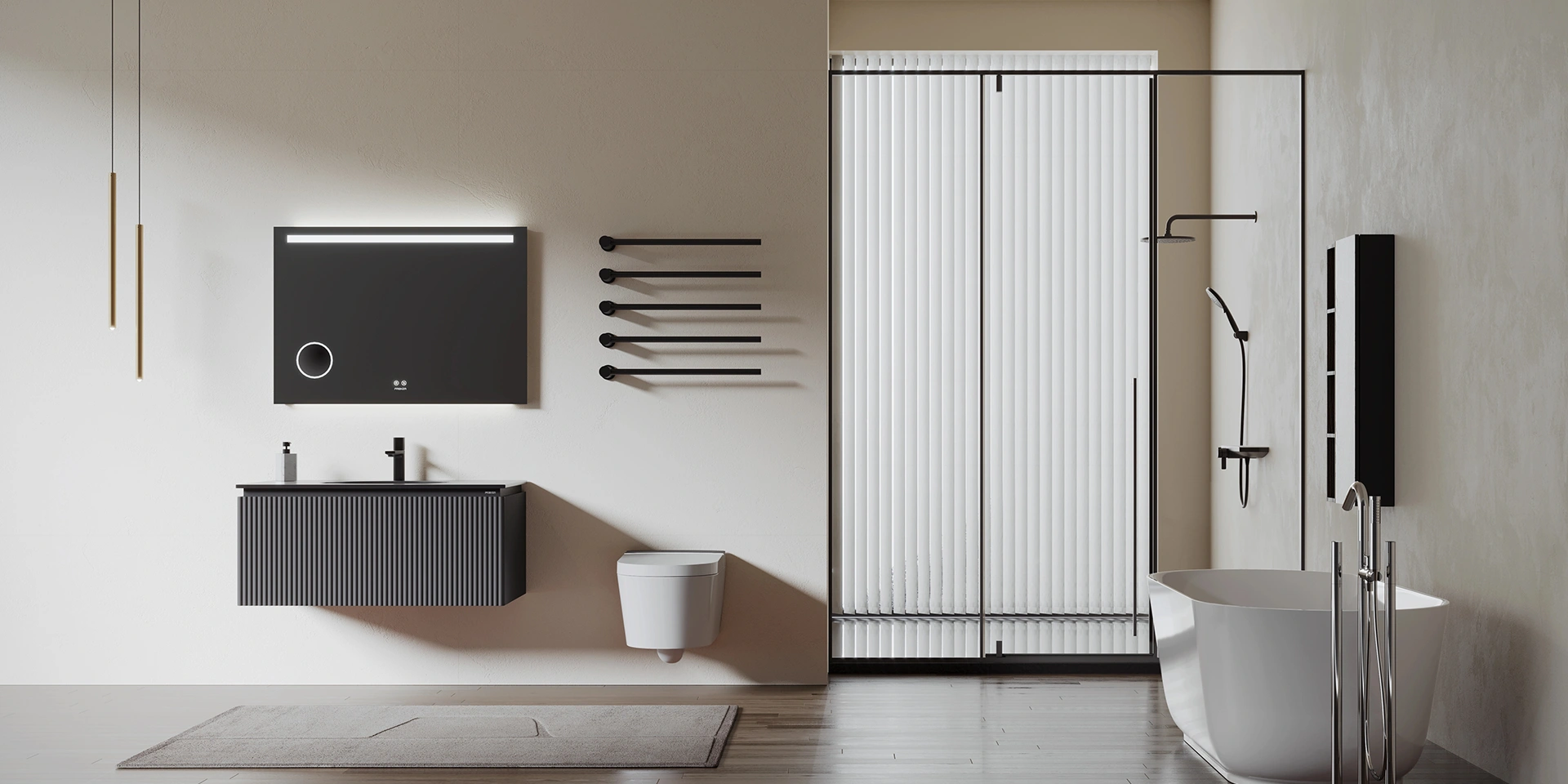
Ruigad (Xiamen) Sanitary Ware Technology Co., Ltd. was established in 2016 and is located in beautiful Xiamen. It is a high-tech enterprise dedicated to the research and development, production and sales of sanitary products that save global water resources.
-
Product Center
Products
The main production of sanitary products: water-saving water inlet valve and drain valve, electronic induction water tank, intelligent toilet, hidden water tank, hanging water tank, all kinds of drainage pipe fittings, etc., mainly used in residential, hotel, shopping malls, office buildings and other housing buildings toilet facilities, including water-saving water inlet valve and drain valve, hidden water tank is the company's main products.
-
Solution
Solution
Mainly used in residential homes, hotels, shopping malls, office buildings and other buildings in the toilet facilities
-
Core Competitiveness
Core
To create a new concept of Ruigad sanitary ware brand, where there is sanitary ware, there is Ruigad sanitary ware.
-
 News Center
News
We will not regularly for you to update the bathroom market new trends and share the company's new dynamic.
-
language
English
We will not regularly for you to update the bathroom market new trends and share the company's new dynamic.
Press Type vs. Traditional Water Tanks: A Comprehensive Comparison for Your Bathroom Needs
Release time:
2025-01-22
Press Type vs. Traditional Water Tanks: A Comprehensive Comparison
Table of Contents
1. Introduction to Water Storage in Bathrooms
2. Understanding Traditional Water Tanks
2.1 What Are Traditional Water Tanks?
2.2 Advantages of Traditional Water Tanks
2.3 Disadvantages of Traditional Water Tanks
3. Introduction to Press Type Water Tanks
3.1 What Are Press Type Water Tanks?
3.2 Advantages of Press Type Water Tanks
3.3 Disadvantages of Press Type Water Tanks
4. Key Differences Between Press Type and Traditional Water Tanks
4.1 Installation Process
4.2 Water Pressure and Performance
4.3 Space Efficiency: Which Takes Up Less Room?
4.4 Maintenance and Durability
5. Cost Implications of Each Type of Water Tank
5.1 Initial Investment
5.2 Long-Term Costs
6. Selecting the Right Water Tank for Your Home
6.1 Factors to Consider
6.2 Recommendations for Different Scenarios
7. Frequently Asked Questions (FAQs)
8. Conclusion: Making an Informed Choice
1. Introduction to Water Storage in Bathrooms
In today’s modern bathrooms, **water storage systems** play a crucial role in ensuring efficient functionality and comfort. Among the various options available, two prominent types stand out: **traditional water tanks** and **press type water tanks**. Understanding their differences is essential for making an informed choice that aligns with your aesthetic and functional requirements.
2. Understanding Traditional Water Tanks
2.1 What Are Traditional Water Tanks?
Traditional water tanks, often referred to as gravity tanks, are widely recognized for their classic design. These **gravity-driven systems** store a substantial amount of water, utilizing gravity to facilitate water flow to fixtures. They are typically constructed from materials like steel or concrete, and their capacity can vary based on the user's needs.
2.2 Advantages of Traditional Water Tanks
- **High Capacity**: Traditional water tanks can hold a large volume of water, making them suitable for homes with high water demand.
- **Gravity Flow**: Their reliance on gravity allows for a more consistent water flow without requiring complex mechanical pumps.
- **Cost-Effective**: Often, the initial installation costs for traditional tanks are lower than advanced pressurized systems.
2.3 Disadvantages of Traditional Water Tanks
- **Space Requirements**: Traditional tanks can be bulky and require significant space for installation.
- **Maintenance Needs**: Over time, sediment can accumulate, necessitating regular cleaning and maintenance to ensure optimal performance.
- **Inefficiency in Smaller Spaces**: In compact bathrooms, traditional tanks might not fit well, limiting design options.
3. Introduction to Press Type Water Tanks
3.1 What Are Press Type Water Tanks?
Press type water tanks, also known as **pressure tanks**, utilize a more modern approach to water storage. These systems are generally smaller and are designed to maintain water pressure through a pressurized air chamber. This setup ensures a steady flow of water, even during peak usage times.
3.2 Advantages of Press Type Water Tanks
- **Compact Design**: Press type tanks are usually more compact than traditional tanks, making them ideal for smaller bathrooms.
- **Consistent Pressure**: They provide a reliable water pressure, improving the overall efficiency of bathroom fixtures.
- **Lower Maintenance**: With fewer parts exposed to sediment, maintenance requirements are often less demanding.
3.3 Disadvantages of Press Type Water Tanks
- **Higher Initial Costs**: The installation and purchase costs can be higher compared to traditional tanks.
- **Complex Installation**: These systems may require professional installation due to their intricate designs.
- **Limited Water Capacity**: They may not hold as much water as traditional tanks, which could be a drawback for larger households.
4. Key Differences Between Press Type and Traditional Water Tanks
4.1 Installation Process
The installation of traditional water tanks is generally straightforward, especially in homes designed with ample space. However, the **installation process for press type water tanks** can be more complex due to their need for precise positioning and adjustments to support the pressurized air chamber.
4.2 Water Pressure and Performance
When it comes to water pressure, **press type tanks** have a clear advantage. They maintain a consistent water pressure, allowing for multiple fixtures to be used simultaneously without a drop in water flow. Traditional tanks, while reliable, may struggle to provide equal performance during heavy usage.
4.3 Space Efficiency: Which Takes Up Less Room?
For homeowners concerned about space, **press type water tanks** win hands down. Their compact nature allows them to fit snugly into small bathrooms, whereas traditional tanks can be cumbersome and take up valuable real estate.
4.4 Maintenance and Durability
Traditional water tanks require regular maintenance to prevent sediment build-up, which can hinder performance. Conversely, press type tanks tend to be more durable and require less frequent upkeep, as their design minimizes the accumulation of unwanted materials.
5. Cost Implications of Each Type of Water Tank
5.1 Initial Investment
The initial investment for purchasing and installing traditional water tanks is generally lower. However, costs can vary widely based on the size and material choice. On the other hand, press type water tanks often involve a higher upfront investment due to their more advanced technology and potential installation challenges.
5.2 Long-Term Costs
Long-term costs are crucial in evaluating the total expenditure. Traditional water tanks may incur higher maintenance costs over time due to deteriorating parts and sediment issues. In contrast, although press type tanks have higher initial costs, they often result in lower maintenance expenses, leading to better savings in the long run.
6. Selecting the Right Water Tank for Your Home
6.1 Factors to Consider
When deciding between press type and traditional water tanks, several factors should be taken into account:
- **Bathroom Size**: Assess the available space in your bathroom. Smaller spaces may benefit from press type tanks.
- **Water Demand**: Consider the water usage needs of your household. Larger families may prefer the higher capacity of traditional tanks.
- **Budget Constraints**: Evaluate your budget for both initial costs and long-term maintenance expenses.
6.2 Recommendations for Different Scenarios
- **For Small Apartments**: Press type water tanks are recommended for their compact size and efficient water pressure.
- **For Large Families**: Traditional water tanks may be more suitable for homes requiring higher water capacity during peak usage.
- **For Budget-Conscious Consumers**: If initial costs are a significant concern, traditional tanks can be a more viable option, with careful consideration needed for maintenance costs.
7. Frequently Asked Questions (FAQs)
1. What is the average lifespan of a traditional water tank?
The average lifespan of a traditional water tank ranges from 10 to 15 years, depending on the quality of materials and maintenance practices.
2. Are press type water tanks energy efficient?
Yes, press type water tanks are generally more energy-efficient due to their ability to maintain consistent water pressure, reducing the need for additional pumps.
3. Can I install a press type water tank myself?
While some homeowners may attempt DIY installation, it is recommended to engage a professional for proper setup of press type water tanks to ensure optimal performance.
4. How do I maintain a traditional water tank?
Regular maintenance includes draining the tank to remove sediment buildup, checking for leaks, and inspecting valves and fittings for wear.
5. Which type of tank is quieter during operation?
Press type water tanks tend to operate more quietly compared to traditional gravity tanks, which may produce noise as water fills and drains.
8. Conclusion: Making an Informed Choice
Choosing between **press type** and **traditional water tanks** ultimately depends on your individual needs, preferences, and space constraints. While traditional tanks offer high capacity and lower initial costs, press type tanks excel in efficiency, space-saving design, and maintenance requirements. By carefully considering the factors outlined in this comprehensive comparison, you can make a knowledgeable decision that will serve your bathroom needs effectively for years to come.
Related News
Share

The main production of sanitary products: water-saving inlet valve and drain valve, electronic induction water tank, intelligent toilet, hidden water tank, hanging water tank, all kinds of drainage pipe fittings, etc.
Contact Information
0086-592-6363077
169 Xingqian Road, jimei district, Xiamen City, Fujian Province